Cross-Contact at Home & Dining Out: A Prevention Guide
The reaction that scared me most wasn't from a food my son ate on purpose. It was from a clean-looking plate that had touched something it shouldn't have. That's cross-contact, the invisible way an allergen travels, and once you understand it, a lot of confusing "but it didn't even have nuts in it" moments suddenly make sense.
First, the word: it's "cross-contact," not "cross-contamination"
You'll hear them used interchangeably, but allergists draw a line, and it's a useful one.
- Cross-contamination usually refers to germs: bacteria, viruses. And the fix is heat. Cooking kills most pathogens.
- Cross-contact is when an allergen protein gets transferred from one food to another, via hands, utensils, surfaces, oil, or steam. And here's the crucial part: cooking does not destroy it. A peanut protein that hitched a ride on a spatula is still a peanut protein after it hits the pan. Heat solves cross-contamination; it does not solve cross-contact.
That single fact reframes everything below.
Cross-contact at home
Home is where you have the most control, which is exactly why it's worth setting up well. You don't need a sterile lab. You need consistent habits.
Start with hands and surfaces. Wash hands with soap and water before cooking and after handling an allergen. (For removing allergen proteins from skin, soap and water or a wipe works; hand sanitizer is designed for germs, not for lifting food protein.) Wash countertops, cutting boards, and the table with soap and water, too.
Watch the shared tools. The usual suspects:
- The same knife going from the peanut butter jar back into the jelly.
- A colander, toaster, or waffle iron that's hard to fully clean.
- Shared oil or a shared pan: frying or sautéing an allergen leaves protein behind.
- Splatter and steam from a nearby pot.
- Cooking utensils, sponges, and dish towels that move between dishes.
Practical setups that work:
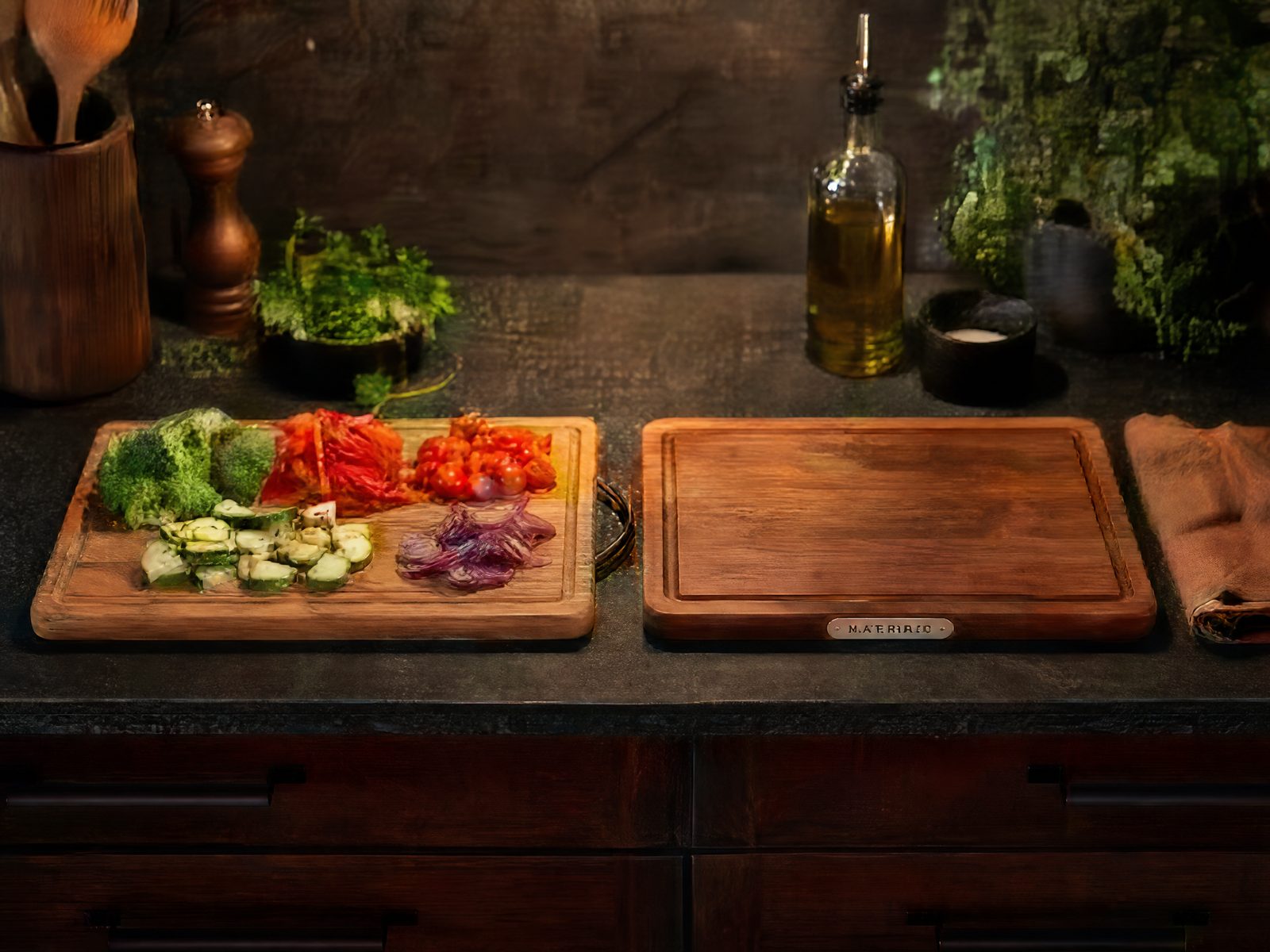
- Keep dedicated items for your allergen-free cooking where cleaning is tough: a separate toaster (or toaster bags), a labeled cutting board, a dedicated colander.
- Prep allergen-free food first, then cover it, before the allergen-containing food comes out.
- Store allergen foods on lower shelves so nothing spills down onto safe food.
- Use squeeze bottles for shared condiments to kill the double-dip problem.
- Read every label, every time: cross-contact starts upstream, at the manufacturer (see our label guide for what "may contain" really means).
A note on "allergen-free households": some families remove an allergen entirely; others keep it and manage carefully. Both can be done safely. The right call depends on your child's allergy, age, and your allergist's guidance. There's no single correct answer here.
Cross-contact when eating out
Restaurants are where control drops and communication becomes everything. You can still eat out. Many allergy families do, happily. But the system changes from "I control the kitchen" to "I have to trust and verify someone else's."
Before and at the table:
- Call ahead when you can, ideally at an off-peak hour, and ask how they handle allergen requests.
- Tell the server clearly and early: name the allergen, say it's an allergy (not a preference), and ask them to inform the kitchen. Many places have an allergen protocol or a manager who handles these orders.
- Use a chef card, a small written card listing your allergens, so nothing gets lost between table and kitchen. It's one of the highest-leverage tools I know.
- Ask specific questions, not general ones. Not "is this safe?" but "Is this fried in oil shared with breaded items?" "Is this cooked on the same grill as fish?" "Does this sauce contain milk or are there shared utensils?"
The fryer and the grill deserve special attention. A shared fryer is a classic cross-contact trap: fries cooked in the same oil as breaded shrimp or chicken are not allergen-free, no matter how the fries are listed. Same with a flat-top grill that just seared something off-limits.
Higher-risk situations to navigate carefully: buffets (shared serving spoons, sneeze-range splatter), bakeries and ice cream shops (flour in the air, shared scoops), Asian and other cuisines where a specific allergen like peanut or sesame is common in many dishes, and any place that's slammed and rushed. None are off-limits by rule. They just need more questions.
Trust the read in the room. If the answers are vague, the staff seems annoyed, or no one can tell you how the kitchen handles it, it's completely reasonable to order something low-risk or to leave. I've walked out of restaurants, and I've never once regretted choosing my kid over a meal.
And always: carry your epinephrine
This is the non-negotiable that sits underneath all of it. Cross-contact prevention lowers the odds; it never makes a reaction impossible. Carry two epinephrine auto-injectors, everywhere, every time. If anaphylaxis happens, epinephrine first, then call 911. Antihistamines do not treat anaphylaxis and are not a substitute. Know your child's allergy action plan, and make sure the adults around them know it too.
The takeaway
Cross-contact is the transfer of allergen protein, and heat won't undo it, so the whole game is keeping the protein from making the trip. At home, that's clean hands, clean surfaces, dedicated tools, and prepping safe food first. Out in the world, it's clear communication, specific questions, a chef card, and the confidence to walk away. Build the habits until they're boring, carry your epinephrine, and keep your allergist's plan close. Boring, here, is exactly what you're going for.