

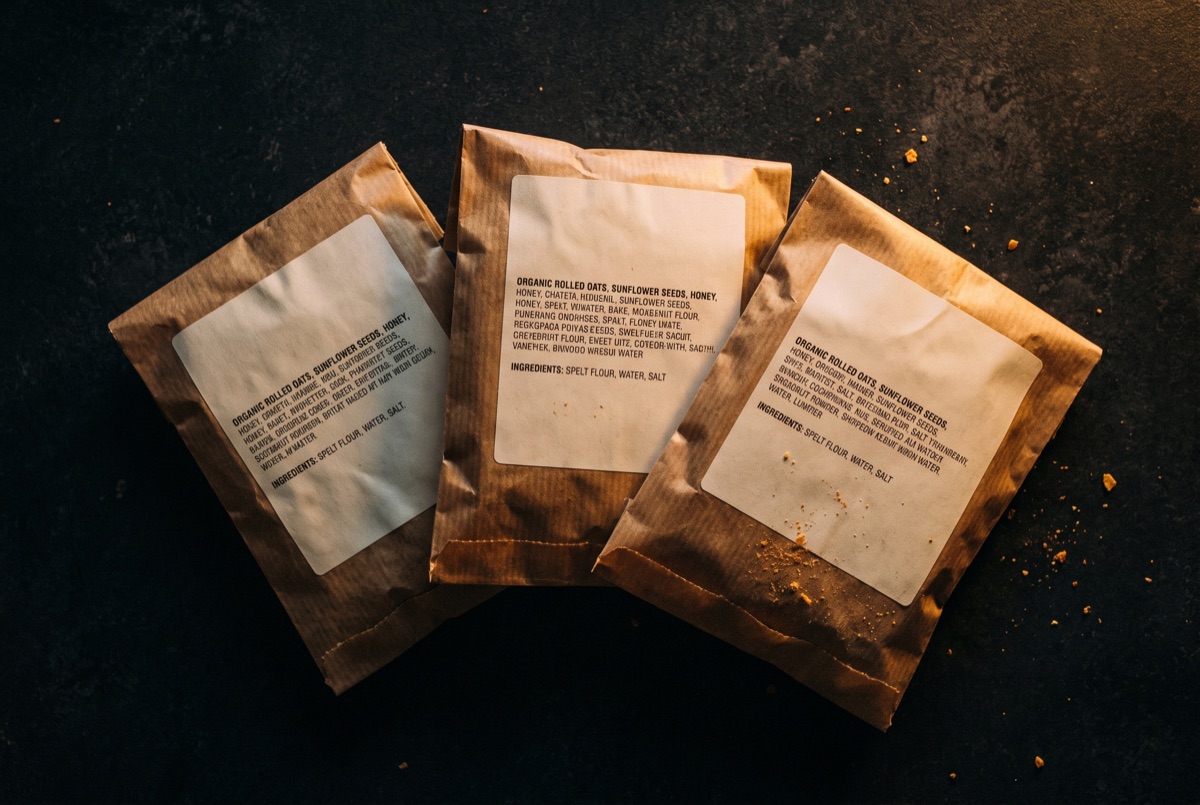
Hidden Dairy, Egg & Gluten: What to Actually Check on a Label
Dairy, egg, and gluten hide under ingredient names that don't look like "milk," "egg," or "wheat": casein and whey are milk; albumin and lysozyme are egg; malt, brewer's yeast, and some modified food starch can signal gluten. U.S. law requires the Top 9 allergens to be named in plain English, but that only helps if you know what to look for underneath the plain English, too.
The law that's actually working in your favor
The Food Allergen Labeling and Consumer Protection Act (FALCPA) requires that packaged foods sold in the U.S. clearly identify any of the "Top 9" major allergens: milk, egg, fish, shellfish, tree nuts, peanuts, wheat, soybeans, and sesame (sesame was added most recently, under the FASTER Act, effective January 1, 2023). That's why you'll see a "Contains: Milk, Egg" line on so many labels now. It's a real legal requirement, and it's the single most reliable thing on the package.
Where dairy, egg, and gluten hide
Dairy: casein, caseinate, whey, whey protein, lactose, lactalbumin, ghee, curds. Egg: albumin (egg white), lysozyme (used in some cheese-making), mayonnaise, meringue, marzipan. Gluten (not one of FALCPA's Top 9: wheat is, but gluten broadly from wheat, barley, and rye is not): malt, malt flavoring, malt vinegar (usually barley-derived), brewer's yeast, modified food starch (can be wheat-derived), and traditionally brewed soy sauce (unless labeled tamari or specifically gluten-free).
"Gluten-free" on a label means something specific: the FDA requires it to contain less than 20 parts per million of gluten. That's a real, enforceable standard, separate from FALCPA's Top 9 rule.
What "may contain" doesn't mean
You'll see "may contain milk" or "processed in a facility that also processes wheat" on plenty of labels. This is precautionary allergen labeling (PAL), and it's voluntary: no federal law requires it, no standardized threshold sits behind it. Treat it as one data point, not a verdict.
The habit that actually protects you: read the full ingredient list every time, not just the "Contains" line. Formulations change without warning, and a product that was fine last month can be reformulated this month. When in doubt, call the manufacturer.