What Is FARE? Food Allergy Research & Education, Explained
When your child is newly diagnosed, you don't just need information: you need a trustworthy place to get it, again and again, for years. For millions of American families, that place is FARE. If you've ever printed an emergency care plan, set out a teal pumpkin at Halloween, or read a clearly written guide to a "may contain" label, there's a good chance FARE was behind it. Here's who they are, what they actually do, and why the organization sits at the center of the food allergy world.
What FARE is
FARE (Food Allergy Research & Education) is the nation's leading food allergy nonprofit. In its own words, its mission is to "improve the quality of life and health of those with food allergy through transformative research, education, and advocacy." It describes itself as the largest provider of charitable funds to food allergy research, and it works on behalf of the more than 33 million people in the U.S. living with food allergies. It's a 501(c)(3) nonprofit, headquartered in McLean, Virginia.
If the food allergy community had a town square, FARE would be a big part of it: funding the science, teaching the families, and pushing the policy, all at once.
A quick history
FARE as we know it was formed in 2012, through the merger of two earlier organizations: the Food Allergy & Anaphylaxis Network (FAAN) and the Food Allergy Initiative (FAI). FAAN had spent decades building patient education and awareness; FAI had focused on funding research. Bringing them together created a single organization that could do both at scale, which is largely the shape FARE still takes today.
The three pillars
Almost everything FARE does fits under three headings. It's a useful lens for understanding the organization.
1. Research. FARE funds and accelerates food allergy science: work aimed at prevention, better diagnosis, and treatment, with the long horizon pointed at a cure. As the largest charitable funder in the space, it helps move dollars toward the questions that matter most to patients. [VERIFY: if you want to cite a specific dollar figure for total research funded, confirm the current number from FARE before publishing; the "largest charitable funder" claim is FARE's own and is fine to attribute to them.]
2. Education. This is the part families touch most. FARE produces trusted, plain-language resources (including the widely used Food Allergy & Anaphylaxis Emergency Care Plan) plus guides on labels, school, dining out, and managing day-to-day life. When an allergist hands a parent a one-page action plan, it's often FARE's.
3. Advocacy. FARE works on policy and legislation that protects people with food allergies: areas like access to epinephrine in schools and stronger allergen labeling. It was a prominent supporter of efforts that culminated in the FASTER Act, which made sesame the ninth labeled major allergen. [VERIFY: confirm the specific legislative wins you want to credit to FARE (e.g., exact role in the FASTER Act and school-epinephrine laws) before stating them as FARE accomplishments.]
The programs you've probably seen
A few FARE initiatives have become household names in the allergy community:
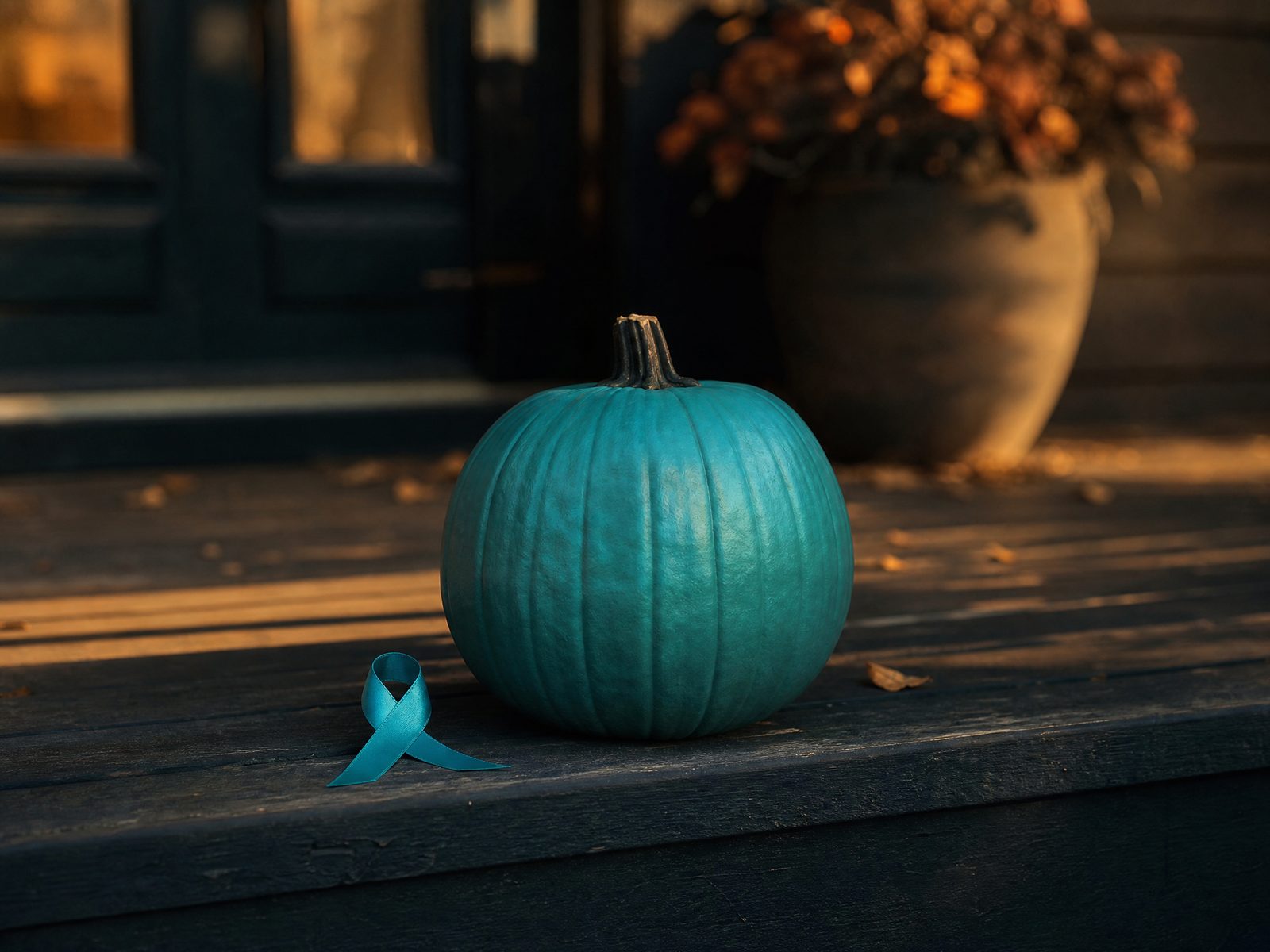
- The Teal Pumpkin Project. FARE's worldwide Halloween inclusion movement: put a teal pumpkin on your doorstep to signal you have non-food treats (glow sticks, small toys) for trick-or-treaters with food allergies. It's now run for more than a decade and turned a stressful holiday into an inclusive one for countless kids.
- FARE Walk for Food Allergy. Community walk events across the country that raise both awareness and funds for FARE's work, largely volunteer-driven and family-friendly.
- Signature fundraising and convening events, including the long-running Food Allergy Ball, that bring together donors, researchers, and advocates.
- A deep library of educational resources at foodallergy.org, free to families.
How it's structured and funded
FARE is governed by a Board of Directors, supported by additional advisory bodies, including a Board of Governors, a Board of National Ambassadors, a Rising Leaders Committee, and a Scientific Advisory Council that helps guide its research priorities. Its current CEO is Sung Poblete, PhD, RN, who came to FARE after more than a decade leading the cancer-research nonprofit Stand Up To Cancer.
Like most nonprofits, FARE runs on donations, events, and partnerships, which is also how families and brands can plug in.
Why it matters: the human part
Here's what an organization like FARE really provides, beyond programs and pillars: it means a newly diagnosed parent at 11 p.m. is not alone, and not at the mercy of whatever a random search turns up. It means there's a credible source funding the research that might one day change your child's prognosis, teaching the school nurse what to do, and standing in front of lawmakers when a labeling gap puts people at risk. That combination (science, education, and advocacy under one roof) is rare, and it's why FARE is usually the first name allergists give to families finding their footing.
The takeaway
FARE is the central nonprofit in the U.S. food allergy world: born from a 2012 merger, built on research, education, and advocacy, and serving the 33 million-plus Americans living with food allergies. It funds the science, writes the guides families rely on, and fights for better policy. It isn't a substitute for your allergist (no organization is), but it's the trustworthy backbone of resources and progress around them. If you're just starting out, foodallergy.org is a good first bookmark.